


Boat Owners Are An Excellent Target Market
Boat owners are individuals who embody a lifestyle of freedom, adventure, and connection to nature. For many, boating is more than a hobby—it’s a way of life that provides a unique opportunity to escape the everyday and embrace the beauty of the outdoors. These individuals are often highly skilled, active, and passionate about engaging with both their environment and a broader community of like-minded enthusiasts. While some boat owners take to the water for relaxation and to maintain a healthy work-life balance, others are avid hunters, fishermen, or outdoor adventurers who use their boats as tools for exploration and recreation. Many also enjoy hosting friends and family, transforming their vessels into floating venues for creating memories and sharing beautiful days out on the water. For some, boating is a way to undertake ambitious journeys, navigating coastal waters, rivers, or even venturing across vast oceans and seas in pursuit of new experiences and challenges.
Boat owners represent an exceptional marketing opportunity across numerous industries due to their dynamic lifestyles and distinct interests. These individuals prioritize their time, making them selective and purposeful in their purchasing decisions. However, reaching them requires strategic precision, as boat owners are often on the move or spending time out on the water, where passive marketing strategies may fail to capture their attention. Despite these challenges, they are a highly engaged consumer group, and a well-executed, targeted marketing approach can yield significant returns. With access to a comprehensive and meticulously curated boat owners list, complete with detailed demographic insights, businesses can connect directly with this audience and craft personalized messages that resonate with their preferences and aspirations. This direct and tailored outreach ensures that your offerings align seamlessly with the unique lifestyles and priorities of boat owners, enabling meaningful engagement and long-term customer relationships.
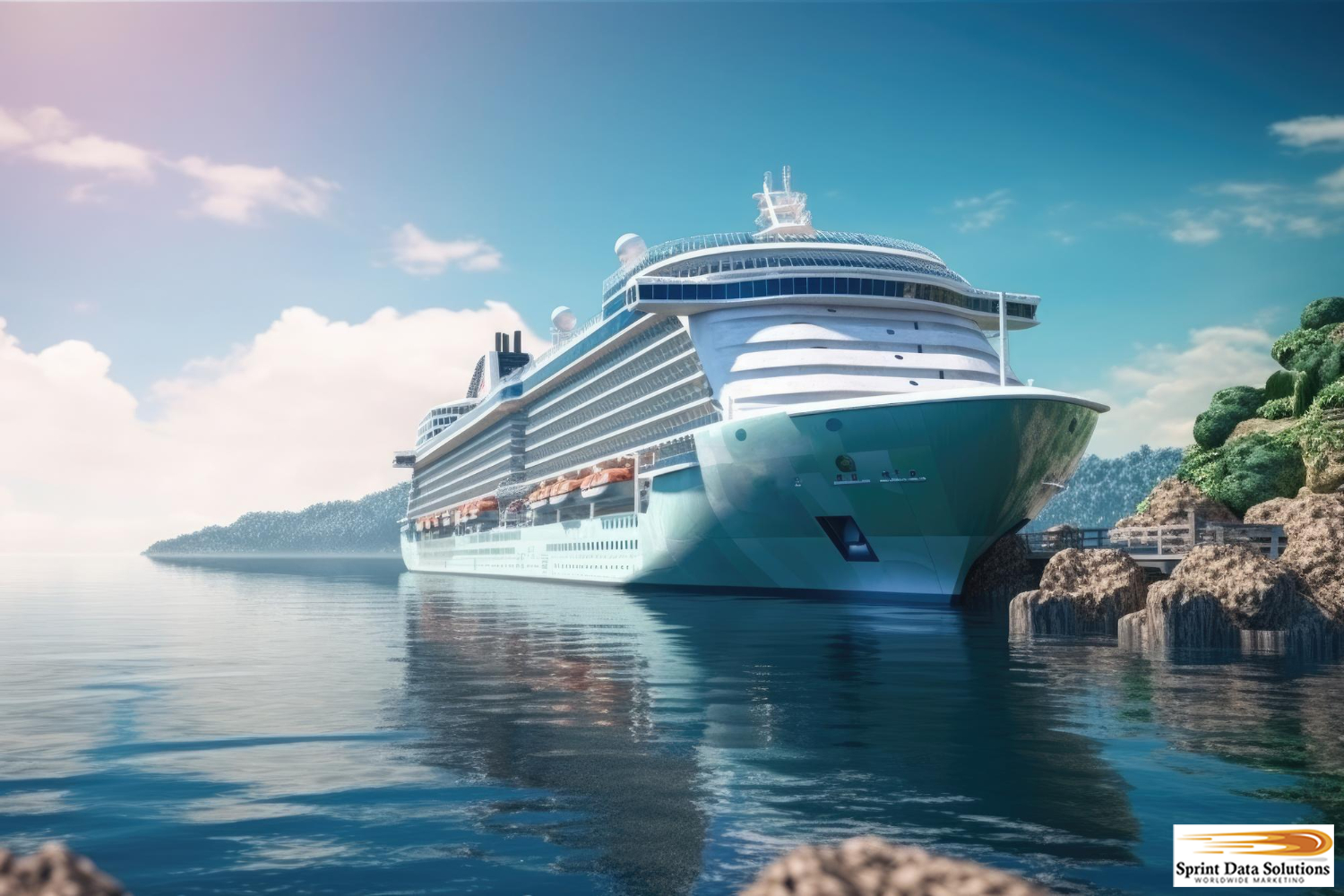
The recreational boat market in the United States, valued at $16.26 billion in 2021, is on track to reach an impressive $26.18 billion by 2027, supported by a strong compound annual growth rate (CAGR) of 8.26%. This substantial expansion is underpinned by a confluence of factors reshaping the boating industry. Advances in marine technology have revolutionized boat designs, introducing enhanced fuel efficiency, state-of-the-art safety features, and cutting-edge navigation systems that appeal to a broad range of consumers. The growing popularity of outdoor recreation, especially water-based activities like kayaking, wakeboarding, and fishing, has captured the interest of a younger, adventure-seeking demographic. Furthermore, the tourism industry’s rapid evolution is driving increased use of boats as platforms for unique entrepreneurial endeavors. From floating restaurants and luxury yacht rentals to eco-tourism initiatives like wildlife tours and sunset cruises, small businesses are innovating to meet the demand for personalized and memorable experiences. This dynamic market reflects not only technological innovation but also a shift in consumer preferences toward leisure and lifestyle activities that combine recreation with exclusivity. As boating becomes more accessible and appealing, its role in both personal recreation and business ventures continues to expand, solidifying its position as a vital segment of the leisure industry.
Boat Owner Demographics
The recreational boat market in the United States, valued at $16.26 billion in 2021, is projected to reach $26.18 billion by 2027, demonstrating a strong compound annual growth rate (CAGR) of 8.26%. This impressive growth trajectory is underpinned by a confluence of factors, including groundbreaking advancements in marine technology that have not only improved fuel efficiency and navigational safety but also introduced smart connectivity features, such as integrated systems for real-time monitoring and automation. The increasing popularity of outdoor recreational activities, particularly water-based leisure pursuits, is drawing a diverse range of consumers, with younger generations increasingly embracing boating as a way to explore and connect with nature while engaging in unique social experiences. The rapid expansion of the tourism sector further fuels this demand, as boats become integral to innovative business models, such as eco-friendly guided tours, luxury private charters, and destination-focused cruises that cater to the growing appetite for experiential travel. Entrepreneurs are capitalizing on this momentum by creating floating event spaces, boutique hospitality offerings, and adventure-focused rental services that resonate with consumers seeking bespoke and immersive activities. Collectively, these trends highlight a dynamic and rapidly evolving market, characterized by technological sophistication, sustainability initiatives, and shifting consumer expectations that continue to redefine the boating experience.
Boat Owners Are The Ideal Market For Many Industries
Boat owners are an excellent target market for many industries. If you are in these industries, our boat owners list is ideal for you:
Boat Insurance
In the United States, most states require boat operators to carry at least a minimum level of liability insurance to legally operate their vessels on waterways. Liability insurance is designed to cover expenses related to property damage (PD) and bodily injury (BI) caused by the boat owner during an accident, ensuring financial protection for affected third parties. However, many boat owners choose to exceed these mandatory requirements by opting for more comprehensive insurance policies. Comprehensive (comp) and collision (coll) coverage, often collectively referred to as full coverage insurance, provide added protection for the boat owner’s vessel. These policies typically cover damages resulting from a wide range of incidents, including accidents, severe weather events, theft, and even vandalism. In addition to these essential coverages, a variety of optional add-ons are available to tailor insurance plans to specific needs. Medical payments (med-pay) or personal injury protection (PIP) are popular options, offering financial support for injuries sustained during boating activities, whether for the owner, passengers, or others involved. Coverage for personal effects is another valuable add-on, ensuring protection for gear such as fishing equipment, marine electronics, water sports accessories, or other personal belongings kept on board. Additionally, roadside assistance coverage has become increasingly sought after, particularly among boaters who frequently transport their vessels. This option provides assistance for trailer breakdowns or towing needs, offering peace of mind during travel. Such supplemental coverages are especially appealing to avid boaters, anglers, and outdoor enthusiasts who prioritize security and preparedness while enjoying recreational activities on the water. By customizing their insurance plans, boat owners can better safeguard their investments and enhance their overall boating experience.
Travel And Tourism
Boat owners are passionate adventurers, captivated by the serenity and thrill that water-based travel offers. Their voyages often encompass a wide variety of destinations, including expansive freshwater lakes, meandering rivers, and picturesque coastal waterways, making them a lucrative demographic for businesses situated in these regions. These travelers not only bring their boats but also a robust enthusiasm for exploring nearby attractions, presenting economic opportunities for local hospitality and tourism industries. Accommodations play a central role in their travel plans, with hotels, motels, and vacation rentals standing out as attractive options, especially when they feature amenities like private docks, marina access, or proximity to boat launches. Many boat owners also lead active outdoor lifestyles, participating in activities such as fishing, camping, and hunting, which positions them as an ideal target audience for companies specializing in wilderness travel, adventure gear, and eco-tourism. Guided fishing expeditions, kayaking or paddleboard rentals, and curated eco-tours are among the many services that can resonate with their interests. Moreover, boat owners frequently seek experiences that blend comfort with adventure, opening doors for luxury retreats, waterfront dining, and unique cultural excursions. Their diverse preferences and affinity for outdoor exploration make them a dynamic and profitable market for businesses looking to provide tailored travel and leisure experiences. This versatile audience not only fuels local economies but also creates opportunities for innovative offerings that cater to their sense of adventure and love for the water.
Docks
Owners of large vessels, such as yachts, houseboats, and pontoons, generally rely on dock storage rather than towing, as these boats’ substantial size and weight make transportation impractical. These vessels are typically stored at docks that prioritize accessibility, convenience, and security. Many boat owners with private waterfront properties invest in custom dock systems tailored to their specific requirements, ensuring seamless access to the water while enhancing the aesthetic and functional value of their property. These custom docks often include features such as integrated boat lifts, storage compartments, and seating areas, providing both utility and luxury. Conversely, a significant number of boat owners prefer renting dock spaces at popular marinas or on sought-after waterways. These rental facilities often cater to a vibrant boating community and offer a range of services, including secure storage, maintenance assistance, and specialized equipment like boat lifts to protect vessels from prolonged water exposure and simplify upkeep. Businesses specializing in dock manufacturing, custom dock designs, or dock space rentals have a substantial opportunity to tap into this market. A well-curated and highly targeted boat owners list can serve as a crucial asset for these companies, allowing them to connect directly with affluent and engaged customers who are likely to invest in private dock solutions or premium rental spaces in desirable waterfront locations. By leveraging such insights, businesses can effectively position their offerings to meet the diverse needs of this discerning clientele.
Boat Storage
Boat owners who tow their boats and choose not to store them at a dock often require specialized storage solutions to ensure their vessels remain secure and well-maintained during periods of inactivity. Many opt for self-storage facilities or outdoor storage lots, which cater specifically to boat storage needs and often include features such as covered parking spaces, enclosed units, or even climate-controlled environments. These amenities protect boats from harsh weather conditions, such as intense sunlight, heavy rain, or freezing temperatures, which can otherwise degrade materials and finishes over time. For those who prefer to store their boats on their own property, there is a growing demand for high-quality storage accessories designed to provide both protection and convenience. Boat covers, made from durable, weather-resistant materials, are essential for shielding boats from UV damage, precipitation, and debris, while custom-fit options ensure a snug and effective barrier against environmental elements. Beyond covers, boat owners frequently invest in jacks, cradles, or hydraulic lifts to elevate their vessels off the ground, minimizing exposure to ground moisture that can lead to rust, mold, or warping. Smaller watercraft owners, such as those with kayaks, paddleboards, or canoes, often turn to space-saving solutions like wall-mounted racks, adjustable shelving, or ceiling hoists, which allow for efficient use of indoor storage areas like garages or sheds. Innovations in modular and collapsible storage systems have also gained popularity, enabling boaters to adapt their storage setups as needed while ensuring their equipment remains easily accessible and well-protected. These diverse storage methods underscore the varied priorities of boat owners, from safeguarding valuable investments to optimizing limited storage space for recreational gear.
Tow-Capable Vehicles
Tow-capable vehicles, including heavy-duty trucks, SUVs, and 4x4s, are indispensable for boat owners who frequently transport their vessels to and from the water. For those without access to a private dock or rental storage facilities, these vehicles provide the power, stability, and durability needed to manage the significant weight of a boat and its trailer. Larger boats, such as speedboats or pontoons, typically require vehicles with high towing capacities, while smaller vessels like fishing boats, kayaks, or canoes may be manageable with midsize SUVs or even certain sedans. However, most boat owners prefer investing in trucks or SUVs because these vehicles offer more than just towing capabilities. They also provide enhanced cargo space for storing essential equipment like life jackets, fishing gear, coolers, anchors, and emergency kits, ensuring everything needed for a boating trip is conveniently packed and transported. Additionally, the advanced towing technologies found in many modern trucks and SUVs, such as trailer sway control, backup assist systems, and integrated brake controllers, make these vehicles especially appealing for safe and stress-free towing. Their versatility extends beyond boating needs, often serving as reliable, all-weather vehicles capable of handling a variety of terrains, making them a long-term investment for outdoor enthusiasts. For boat owners, the dependability, ample storage, and advanced features of these vehicles transform the logistics of transporting a boat into a manageable and efficient part of their recreational lifestyle.
Boat Trailers, Vehicle Hitches, And Other Vehicle Accessories
Boat owners who tow their vessels require more than just a tow-capable vehicle; they must also ensure their vehicle is equipped with a high-quality hitch system designed to handle the specific weight and dimensions of their boat. A well-matched hitch is crucial for safe and efficient towing, as improper configurations can lead to instability, reduced control, and potential hazards on the road. Equally important is the need for a specialized trailer designed exclusively for boats, which ensures proper weight distribution, road stability, and protection of the boat during transport. Towing a boat places substantial stress on the towing vehicle and trailer, often resulting in accelerated wear and tear on critical components such as tires, suspension systems, and braking mechanisms. This heightened demand for maintenance and repair services, as well as replacement parts, creates a significant market for businesses catering to heavy-duty towing needs. Companies specializing in vehicle repairs, durable replacement parts, high-performance towing equipment, and routine servicing can capitalize on this demand by reaching out to boat owners, a demographic with distinct and ongoing needs. Access to our detailed and comprehensive boat owners list allows businesses to connect directly with this target audience, ensuring their products and services reach those who are most likely to benefit, thereby maximizing engagement and sales opportunities.
Boating Safety Gear
Boat riders place a high priority on safety, equipping themselves and their passengers with essential gear designed to address the inherent unpredictability of being on the water. Sudden changes in weather, mechanical failures, or emergencies can occur without warning, making preparation vital. Among the most critical items are life jackets and wearable personal flotation devices (PFDs), which are required by law in many jurisdictions and provide essential protection in the event of an accident. Savvy boat owners also equip their vessels with throwable flotation devices, such as rescue rings or cushions, which are invaluable for quickly assisting individuals who may have fallen overboard. Effective signaling tools, both visual and auditory, play a central role in emergency preparedness. Flares and distress flags are indispensable for attracting attention during daylight or nighttime incidents, while horns, whistles, and air horns ensure audible communication in low-visibility conditions or when alerting nearby vessels. Fire extinguishers, designed to combat potential onboard fires, are a mandatory and potentially lifesaving inclusion. Comprehensive first aid kits, tailored for marine environments, enable the prompt treatment of injuries, from minor cuts to more severe wounds, which can otherwise worsen in remote locations. Flashlights and waterproof torches are critical for enhancing visibility during nighttime excursions or when navigating through power outages. Many boaters also incorporate additional safety features, such as emergency position-indicating radio beacons (EPIRBs) or personal locator beacons (PLBs), which provide precise location tracking for rescue operations. By meticulously preparing their boats with this array of safety equipment, riders not only comply with regulations but also foster a sense of confidence and security for themselves and their passengers, ensuring that every journey on the water is as safe and enjoyable as possible.
Communication Devices
Boat owners consistently prioritize investing in reliable communication devices to ensure safety and maintain connectivity while navigating various waterways. Very high frequency (VHF) radios remain the most widely used option due to their effectiveness in short-range communication, allowing users to contact emergency services, nearby vessels, and harbor authorities with ease. These radios are equipped with advanced features such as automatic distress signaling and digital selective calling (DSC), enabling precise and immediate alerts during emergencies. For those venturing farther offshore or into remote regions, satellite phones have become an essential tool, offering dependable global coverage regardless of distance from cellular networks. These phones provide uninterrupted communication capabilities, even in the most isolated parts of the ocean, making them invaluable for extended voyages. In addition to traditional options, modern boaters are increasingly adopting cutting-edge safety systems like Emergency Position Indicating Radio Beacons (EPIRBs) and Personal Locator Beacons (PLBs). These devices use satellite technology to transmit accurate location data to rescue teams, even in areas entirely devoid of signal, such as open seas or secluded waterways, ensuring timely assistance in life-threatening situations. Many boaters now enhance their safety protocols by integrating multifunctional marine communication systems that combine GPS navigation, real-time weather updates, and distress signaling into a single, user-friendly platform. These all-in-one systems not only streamline navigation but also provide a robust safety net, reflecting the growing emphasis on preparedness and technological innovation in marine equipment. As advancements in marine technology continue, the demand for reliable, versatile, and user-centric communication tools among boat owners shows no signs of slowing.
Navigation Tools
Boat owners depend on a variety of navigation tools to ensure safe and efficient journeys, reflecting a blend of traditional methods and modern technological advancements. Seasoned mariners often continue to rely on time-tested techniques like dead reckoning, pilotage, and celestial navigation, utilizing instruments such as sextants and magnetic compasses. These methods, paired with paper charts and maps, remain invaluable in areas with limited connectivity or during electronic malfunctions, offering a fail-safe option that requires no power or signal. At the same time, modern navigation tools have revolutionized how boaters plot their courses and stay oriented on the water. GPS systems, which provide highly accurate positioning and real-time updates, are now a cornerstone for most vessel operators. Satellite imagery and motion-sensing technologies further enhance route planning and environmental awareness, while integrated multifunctional displays allow users to manage navigation, weather updates, and system controls in a seamless interface. Tools like radar and radio navigation systems also contribute significantly, particularly in detecting obstacles, monitoring nearby vessels, and navigating through adverse weather or low-visibility conditions. The choice of navigation tools often reflects a boat owner’s vessel type, typical routes, and personal level of expertise, resulting in a market that spans from hobbyist sailors to professional mariners. Manufacturers of navigation tools, whether traditional or cutting-edge, have a unique opportunity to cater to this diverse audience. With our specialized boat owners list, businesses can target this demographic with precision, offering tailored solutions that meet their needs and enhance their experiences on the water.
Outdoor Gear
Boat owners are often enthusiastic outdoor adventurers who fully immerse themselves in a variety of activities such as fishing, camping, hiking, and hunting, making them prime customers for businesses catering to outdoor recreation. Their connection to nature drives them to invest in top-quality fishing gear, including high-performance rods, reels, lines, lures, and even live bait, to maximize their experiences on the water. Beyond fishing, many boat owners are avid campers, often exploring remote locations that require durable and reliable camping equipment. Their typical purchases include advanced backpacks with ergonomic features, weather-resistant tents designed for rough conditions, insulated sleeping bags for optimal comfort, and portable cooking gear for meals in the wilderness. Hunting is another major interest for many boat owners, as their watercraft often grant access to secluded and pristine natural areas that are otherwise difficult to reach. This unique capability creates a demand for specialized hunting gear, such as waterproof and insulated waders for marshland environments, precision optics for tracking game over long distances, and a variety of hunting weapons including compound bows, crossbows, and high-caliber rifles. Additionally, their interest in hiking and exploring nature contributes to a broader range of purchases, including GPS devices, rugged footwear, and multi-tools for safety and convenience. Boat owners, with their diverse and adventurous lifestyles, represent an exceptional target audience for businesses in the outdoor industry, as their multifaceted hobbies require a wide array of specialized products designed to support their adventurous pursuits.
Boat Maintenance Tools
Boat owners take immense pride in preserving the condition and performance of their vessels, often dedicating significant time and resources to ensure everything is in peak shape. Whether they enjoy the satisfaction of hands-on maintenance or rely on professional services for more intricate repairs, having the right tools is essential. Basic tools such as pliers, screwdrivers, wrenches, and adjustable spanners are staples in any boat owner’s arsenal, enabling them to handle routine maintenance tasks like tightening fittings, adjusting hardware, or minor repairs. However, the unique demands of boating call for specialized tools designed specifically for marine environments. Rigging knives, with their sharp edges and durable design, are indispensable for cutting ropes or working with sails, while tow ropes are critical for emergencies or assisting other vessels. Moisture meters play a vital role in detecting water intrusion, allowing boaters to address potential damage before it compromises the vessel’s structural integrity. For motorized boats, maintaining the engine is a top priority, requiring an array of tools and supplies such as fuel additives, oil, lubricants, and filters to ensure optimal performance. Multimeters are crucial for diagnosing electrical systems, identifying issues with wiring or battery connections, while charging devices, jumper cables, and portable power banks help sustain reliable energy systems for onboard electronics.
Emergency preparedness is another significant focus for boat owners, as the unpredictability of water travel demands thorough planning. Waterproof flashlights and headlamps ensure visibility in low-light conditions, while flares and signal mirrors provide essential tools for attracting attention during emergencies. First aid kits tailored for marine use, including treatments for cuts, burns, and sun exposure, are standard safety measures. Beyond tools and safety items, many boaters also invest in protective gear such as corrosion-resistant coatings for metal parts, UV protectants for fiberglass and vinyl, and specialized cleaning products to combat saltwater buildup. Collectively, these tools and supplies reflect the deep commitment of boat owners to not only the functionality and safety of their vessels but also the preservation of their long-term value and performance. By equipping themselves with the proper gear and resources, they embrace the challenges of boating while safeguarding their vessels against the harsh realities of marine environments.
Boat Accessories
Boats are equipped with an array of specialized accessories meticulously designed to endure the dynamic and often unpredictable conditions of life on the water, ensuring optimal functionality, safety, and comfort. Essential fixtures such as tables, chairs, and cup holders are typically fastened securely to prevent any movement caused by waves, which could compromise safety or disrupt activities during travel. Boat owners frequently prioritize key equipment tailored to the demands of marine environments, such as helm pads that provide ergonomic support for extended navigation, heavy-duty anchors to maintain stability in varying seabed conditions, and robust dock lines to ensure safe and reliable mooring. The electrical systems onboard must also meet stringent marine-grade standards, utilizing waterproof chargers, high-performance batteries, and corrosion-resistant components to withstand exposure to saltwater and humidity. For sailing vessels, specialized gear like custom-fitted sails and rigging systems are indispensable, while many boats feature advanced non-slip flooring solutions designed to enhance traction and prevent accidents during rough conditions. Additionally, owners often invest in sophisticated mooring equipment capable of adapting to diverse docking scenarios, from fixed docks to floating platforms. Collectively, these accessories address the unique challenges of boating, offering tailored solutions that enhance not only the performance and safety of the vessel but also the overall experience of life at sea.
Alcohol
Boat owners, particularly those with pontoon boats and yachts, are renowned for their enthusiasm for hosting social gatherings on the water, creating memorable experiences for their guests. These gatherings often feature an array of alcoholic beverages, including popular choices like beer, wine, and champagne, which are seamlessly integrated into the overall ambiance of these events. Beyond the beverages themselves, boat owners place a significant emphasis on selecting high-quality accessories that enhance both functionality and aesthetics. Insulated koozies, for instance, are favored for their ability to maintain the perfect temperature of individual drinks, while spacious, durable coolers provide the capacity to store a variety of beverages and snacks, ensuring convenience and accessibility throughout the outing. Elegant wine buckets, often crafted from materials like stainless steel or crystal, not only keep champagne and wine chilled but also serve as a stylish centerpiece that adds to the luxurious vibe of the occasion. These accessories are carefully chosen to align with the personal tastes of the boat owners and the overall aesthetic of their vessels, reflecting their desire to curate an experience that is both enjoyable and sophisticated. Furthermore, boat owners often seek accessories that offer innovative features, such as UV-resistant designs, portability, or eco-friendly materials, aligning with modern preferences for sustainability and practicality. This strong demand for functional yet visually appealing products presents a lucrative opportunity for businesses to cater to the unique needs of this discerning market by offering items that seamlessly combine utility, luxury, and style.
Watersport Gear, Games, And Toys
Boat owners are deeply passionate about maximizing their time on the water, embracing a wide variety of activities that merge adventure, leisure, and exploration. Classic accessories like wakeboards, tubes, and water skis remain staples for those seeking high-energy thrills, offering exhilarating ways to glide across the waves and create unforgettable memories with family and friends. Beyond traditional gear, there is a growing interest in cutting-edge water innovations, such as sea scooters that allow users to delve deeper into underwater worlds with ease, and oversized inflatable lounges or floating islands, which provide luxurious spaces for relaxation or group enjoyment. Coastal boaters often prioritize diving and snorkeling equipment, reflecting their desire to explore marine environments, including vibrant coral reefs and intricate underwater cave systems, fostering a deeper connection to nature. Additionally, water-adapted games like floating volleyball nets, inflatable dartboards, and ring toss sets have become increasingly popular, adding an element of fun and interaction during social outings. These preferences highlight the adventurous and versatile nature of boat enthusiasts, who seek durable, high-quality accessories that cater to a broad spectrum of experiences, ensuring every outing is as dynamic and enjoyable as possible.
The Four Classes Of Boats
Boats are categorized into distinct classes based on their length, with each class corresponding to specific size ranges and uses. The smallest category, Class A, includes boats under 16 feet in length. These compact vessels are typically utilized for personal recreation, small-scale fishing, or as tenders for larger boats, offering affordability and ease of transport. Class 1 covers boats ranging from 16 to 26 feet, making them popular for a variety of recreational activities, including fishing, water sports, and short coastal voyages. Their moderate size and versatility make them manageable for individual owners while accommodating small groups. Moving up in size, Class 2 comprises boats measuring between 26 and 40 feet. These vessels are often equipped for extended trips or group outings, frequently including amenities such as small cabins, cooking facilities, and enhanced storage options to provide a blend of comfort and practicality. Class 3 boats span from 40 to 65 feet in length and are designed for longer journeys, often featuring multiple cabins, advanced navigation systems, and luxurious interiors. These larger vessels are suitable for offshore adventures and are commonly used for extended cruising or as liveaboards.
Beyond Class 3, boats exceeding 65 feet but under 300 gross tons are classified as Small Research Vessels (SRVs). These specialized boats are primarily used for scientific exploration and research missions, equipped with the tools and technology required for such purposes. Vessels over 65 feet that do not fall under the SRV designation are typically categorized into two main groups: luxury yachts and commercial boats. Luxury yachts, often outfitted with high-end amenities such as gourmet kitchens, spacious decks, and even entertainment systems, are designed for elite leisure and long-term cruising in ultimate comfort. On the other hand, commercial boats in this size range are engineered for industrial applications, including cargo transport, large-scale fishing operations, or passenger tourism, and are built with durability and functionality in mind.
This classification system provides a structured way to differentiate boats by size, purpose, and features, catering to a wide range of recreational, scientific, and commercial needs. It underscores the diversity in design and functionality that accommodates various activities, from leisurely outings and adventurous voyages to specialized industrial and research operations.
The Different Boat Categories
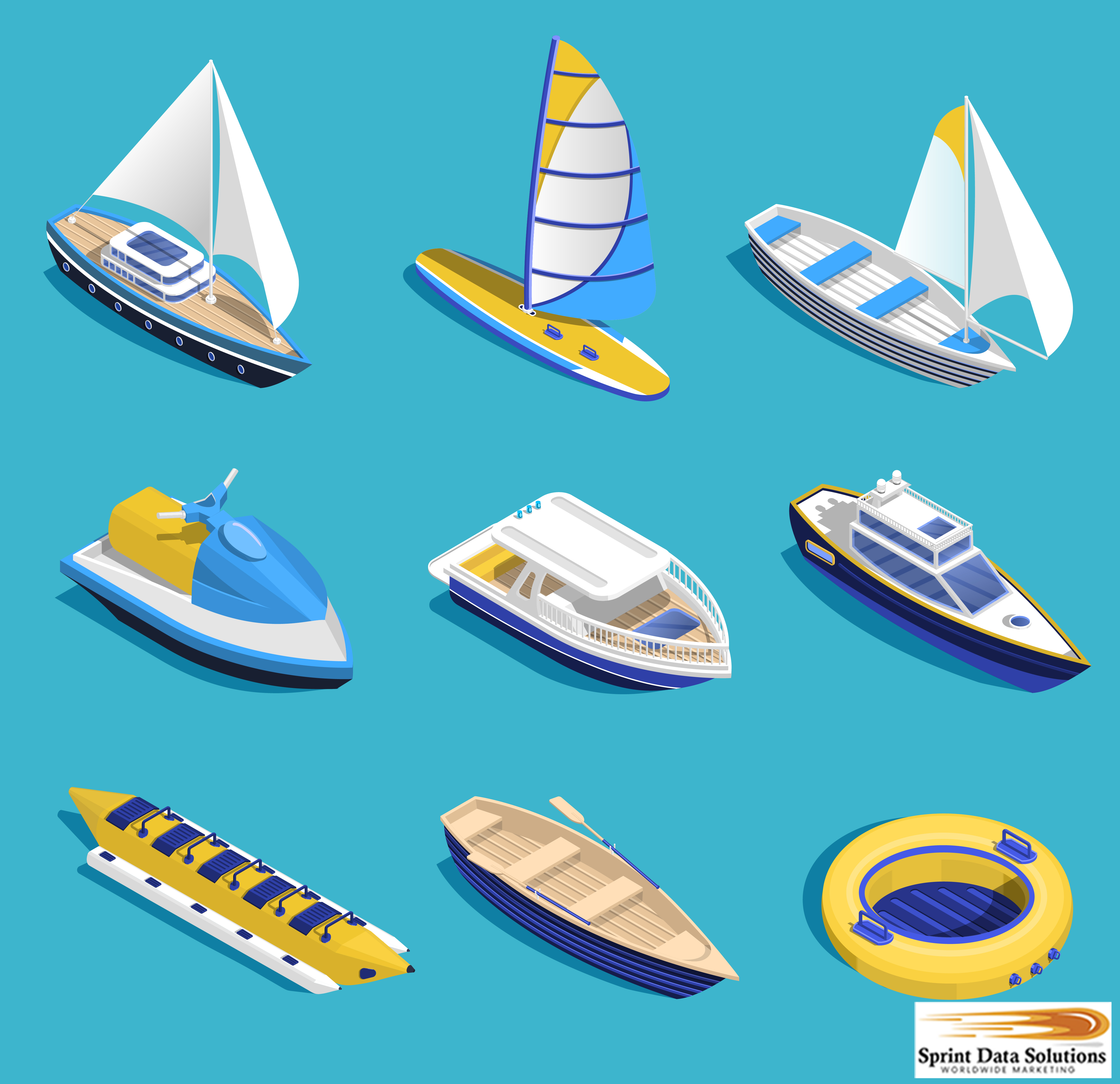
Boats are commonly classified into three primary categories based on their propulsion systems, each offering unique characteristics and uses. The first category encompasses human-powered boats, such as rowboats, kayaks, canoes, and dinghies, which rely entirely on physical effort for movement and steering. These boats are prized for their simplicity, eco-friendliness, and silent operation, making them ideal for recreational activities like fishing, leisurely paddling, and exploring tranquil waterways or remote areas inaccessible to larger vessels. They also serve as essential tools for specific tasks, such as emergency transport in shallow waters. The second category includes motorized boats, ranging from fishing boats and speedboats to luxury cruisers and yachts. These vessels use engines powered by gasoline, diesel, or increasingly, electricity, with electric motors becoming more popular due to their environmental benefits, reduced noise levels, and advancements in battery technology. Motorized boats are highly versatile, supporting activities such as water sports, long-distance cruising, transportation, and commercial ventures. The third category comprises wind-powered boats, such as sailboats, catamarans, and traditional sailing vessels, which harness the power of the wind through sails. Sailboats are widely cherished for leisure sailing, competitive racing, and even transoceanic voyages, offering both an eco-friendly option and an opportunity for skilled navigation. Notably, some boats feature hybrid propulsion systems, like motorized sailboats that integrate engines for propulsion when wind conditions are inadequate, blending traditional and modern technologies.
In addition to propulsion-based classification, boats can also be grouped into four broader categories based on their design and purpose, showcasing the vast diversity in their functionality. Recreational boats, for example, prioritize leisure and entertainment, ranging from small paddle boats to luxurious motor yachts, catering to activities like cruising, fishing, and water sports. Commercial boats are tailored for industrial and economic purposes, including fishing trawlers, ferries, cargo ships, and tourism vessels, playing a pivotal role in global trade and local economies. Military boats are engineered for defense, surveillance, and tactical missions, with designs focused on stealth, speed, and durability, such as patrol boats, submarines, and amphibious crafts. Utility boats fulfill specialized roles, such as search and rescue operations, environmental research, and law enforcement, with designs adapted for durability and specific functions like firefighting or marine studies. This multifaceted classification highlights the remarkable adaptability of boats to various human needs, offering insight into the innovations and applications that define the marine industry.
Category A: Ocean Class Boats
Ocean-class boats are expertly crafted to withstand the formidable challenges of the open sea, combining unparalleled durability with resilience against powerful winds, towering waves, and moderate storms. These vessels are designed with self-sufficiency in mind, often featuring sophisticated living quarters, state-of-the-art navigation systems, and generous storage capacity to support extended voyages. Their construction prioritizes safety and reliability, ensuring they can traverse vast distances with minimal reliance on external support. Owners of these boats are often characterized by their deep love for maritime exploration, an adventurous spirit, and the financial means to invest in and maintain these high-performance vessels. The significant commitment required to own an ocean-class boat reflects not only its monetary value but also the expertise and preparation needed to navigate the demanding conditions it is built to conquer.
Category B: Offshore Class Boats
Offshore class boats are expertly crafted for oceanic environments, focusing on the demands of nearshore activities rather than prolonged voyages across the open sea. Designed to operate within a few miles of the coastline, these boats offer a specialized balance of performance, stability, and resilience, making them a top choice for recreational enthusiasts. While they share features with ocean-class vessels, offshore boats are purpose-built to withstand the rigors of coastal waters, including strong winds, moderate waves, and occasional turbulent weather conditions. Their design ensures safety and reliability, making them well-suited for a variety of pursuits such as deep-sea fishing, snorkeling, and ocean sports. The owners of these boats typically value their versatility and robust engineering, which allow for engaging marine adventures without the complexities of managing a larger seafaring vessel. Additionally, these boats incorporate innovative features like advanced hull designs and reinforced structures to ensure smooth handling in challenging maritime scenarios, providing an ideal combination of practicality and performance for enthusiasts who prioritize both comfort and capability.
Category C: Inshore Class Boats
Inshore class boats are purpose-built for navigating calmer waters, including lakes, rivers, bays, and areas near coastlines, where conditions are generally more predictable and forgiving. These boats are specifically designed to handle medium-strength winds and moderate wave conditions, ensuring a safe and enjoyable experience for their operators. Known for their versatility, inshore boats cater to a wide range of recreational activities, making them a favorite among individuals and families who appreciate their manageable size and straightforward operation. Popular among boating enthusiasts, these vessels are especially well-suited for fishing, as their compact design allows for easy maneuvering in smaller waterways and shallow areas where larger boats might struggle. Beyond fishing, inshore boats are perfect for leisurely cruises, exploring hidden coves, or simply enjoying the serenity of smaller water bodies. Their design emphasizes both functionality and ease of use, making them an excellent choice for beginners while also satisfying the needs of seasoned boaters. With low maintenance requirements and the ability to adapt to various recreational uses, inshore boats offer an accessible and enjoyable way to spend time on the water, fostering a deep connection with nature and providing memorable experiences for those on board.
Category D: Coastal Water, Inland, and Sheltered Waters Class Boats
boats are purposefully designed for calm and protected waterways, such as rivers, small lakes, and sheltered bays, where conditions are characterized by light winds and gentle waves. These vessels prioritize simplicity and accessibility, making them an excellent option for those who are new to boating or seeking a straightforward, stress-free way to enjoy the water. They are especially appealing to individuals and families interested in leisurely outings, whether for relaxation, exploration, or casual recreation. This category encompasses a wide range of boat types, including kayaks, canoes, and small inflatable craft, all of which are typically lightweight, portable, and easy to handle. Many owners of Category D boats are at the beginning of their boating journey, learning foundational skills like basic navigation, safety protocols, and maintenance practices. These vessels serve as an entry point into the broader boating lifestyle, offering an affordable and versatile option for outdoor enthusiasts who appreciate the tranquility of nature. Their manageable size and low operational demands also make them ideal for spontaneous adventures, encouraging a deeper connection with local waterways and fostering an appreciation for the simple joys of life on the water. Whether paddling through a quiet river bend or exploring hidden inlets, these boats provide a gateway to memorable experiences and a lifelong love for boating.
Types Of Boats
You will find boat owners of varying boat types on our boat owners contact list. These boat types include:
- Bowrider Boats
- Cabin Cruiser Boats
- Canal Boats
- Canoes
- Center Console Boats
- Cigarette Boats
- Cuddy Cabin Boats
- Deck Boats
- Dinghies
- Fishing Boats
- Houseboats
- Inflatable Boats
- Jon Boats
- Kayaks
- Motorboats
- Pontoon Boats
- Rowboats
- Sailboats
- Ski Boats
- Skiffs
- Speedboats
- Trawlers
- Tugboats
- Yachts
Access all of these boat owners and more with our boat owners list.
Tap Into The Growing Market Of Boat Owners
Sprint Data Solutions Worldwide Marketing began in Las Vegas, founded by a Service-Disabled Veteran with a mission to help businesses grow by connecting them to their ideal audiences. Over time, the company has become a leader in marketing data solutions, curating one of the industry’s most extensive and well-maintained databases. These databases provide unparalleled resources for direct marketing initiatives, from highly targeted email campaigns to personalized mailers and precision-driven outreach efforts. Our data goes beyond the basics of demographic details like age, geographic location, and income levels; it also includes deep psychographic insights such as consumer attitudes, lifestyle choices, aspirations, and purchasing habits. By understanding these elements, businesses can craft messaging that resonates on a personal level, ensuring their campaigns engage the right people in the right ways. This level of data-driven precision allows organizations to optimize engagement, drive conversions, and foster long-term customer relationships.
At Sprint Data Solutions Worldwide Marketing, data quality and accuracy are at the core of what we do. Each list is rigorously curated and subjected to advanced quality control measures to guarantee its reliability and relevance. We employ cutting-edge certification systems, including the National Change of Address (NCOA) and the Certified Address Accuracy System (CAAS), to ensure our data is consistently accurate and up to date. Moreover, our databases undergo continuous updates and cross-referencing, factoring in changes such as relocations, shifting consumer behaviors, or other dynamics that could influence marketing outcomes. This proactive approach ensures that our clients receive actionable and precise information to support their marketing strategies. Whether your goals involve broad audience engagement or niche market penetration, our data provides the foundation for campaigns that yield measurable results. With Sprint Data Solutions Worldwide Marketing, you can trust in the power of expertly managed data to transform your outreach efforts and drive meaningful success.

Access The Right Boat Owners For Your Marketing Efforts
At Sprint Data Solutions Worldwide Marketing, we pride ourselves on delivering more than just contact lists—we provide a gateway to unparalleled precision and insight for your marketing campaigns. Our meticulously curated lists are designed to include not only accurate and up-to-date contact information but also in-depth details about each individual, empowering you to filter, sort, and refine your audience with precision. This ensures that your outreach efforts are targeted to the most relevant boat owners, aligning perfectly with your goals. Beyond contacts, our data offers actionable insights into market trends, consumer preferences, and lifestyle behaviors, equipping you with the tools to dynamically adjust your strategies to meet evolving market demands and consumer expectations.
When you partner with us, you gain more than a service provider—you gain a strategic ally committed to maximizing the impact of your marketing initiatives. Our experienced team works closely with you to interpret the data, uncover hidden opportunities, and craft highly optimized approaches that drive engagement and deliver measurable results. Whether your campaign involves email marketing, cold calling, direct mail, or a multi-channel strategy, our lists are designed to facilitate seamless and effective connections with your ideal audience. Every detail we provide is curated to ensure your message resonates with the right individuals, enhancing the likelihood of meaningful interactions and conversions.
Contact Sprint Data Solutions Worldwide Marketing today to take your marketing efforts to the next level. Our dedicated team of professionals will collaborate with you every step of the way, offering expert guidance, valuable insights, and robust support to help you achieve your objectives. Together, we can transform your marketing strategy into a powerful engine for growth, creating authentic connections with your audience and driving sustained success. Let us help you unlock the full potential of your marketing campaigns with precision, expertise, and unwavering dedication to your success.