

Solar Power Is Generating More Leads Than Ever Before
Energy is essential to the modern lifestyle in America. Without energy, especially electricity, everything from the lights in a home to the ability to recharge batteries for mobile devices—and even cars—would no longer be possible. There is a reason electricity is regarded as a utility, not a luxury since it is essential for both modern life and modern work. Even today’s businesses could no longer function if electricity was suddenly taken away, and phones, computers, and other equipment could no longer function. Hospitals, in particular, rely on electricity to save and maintain lives, which is an essential aspect of the daily American experience.
This is one reason why electrical generation is so varied and a cornerstone of American industry. Over the decades, the country has moved from one form of electrical generation to another, starting with early power plants that burned coal, taking advantage of natural bodies of water to drive turbines for hydroelectricity and even harnessing the power of the atom with nuclear reactors.
Today, there are more options than ever before. Although advanced research continues to pursue the holy grail of nuclear fusion, nature has provided more ways to generate electricity, including wind and solar power, for decades.
Coming Into Its Own
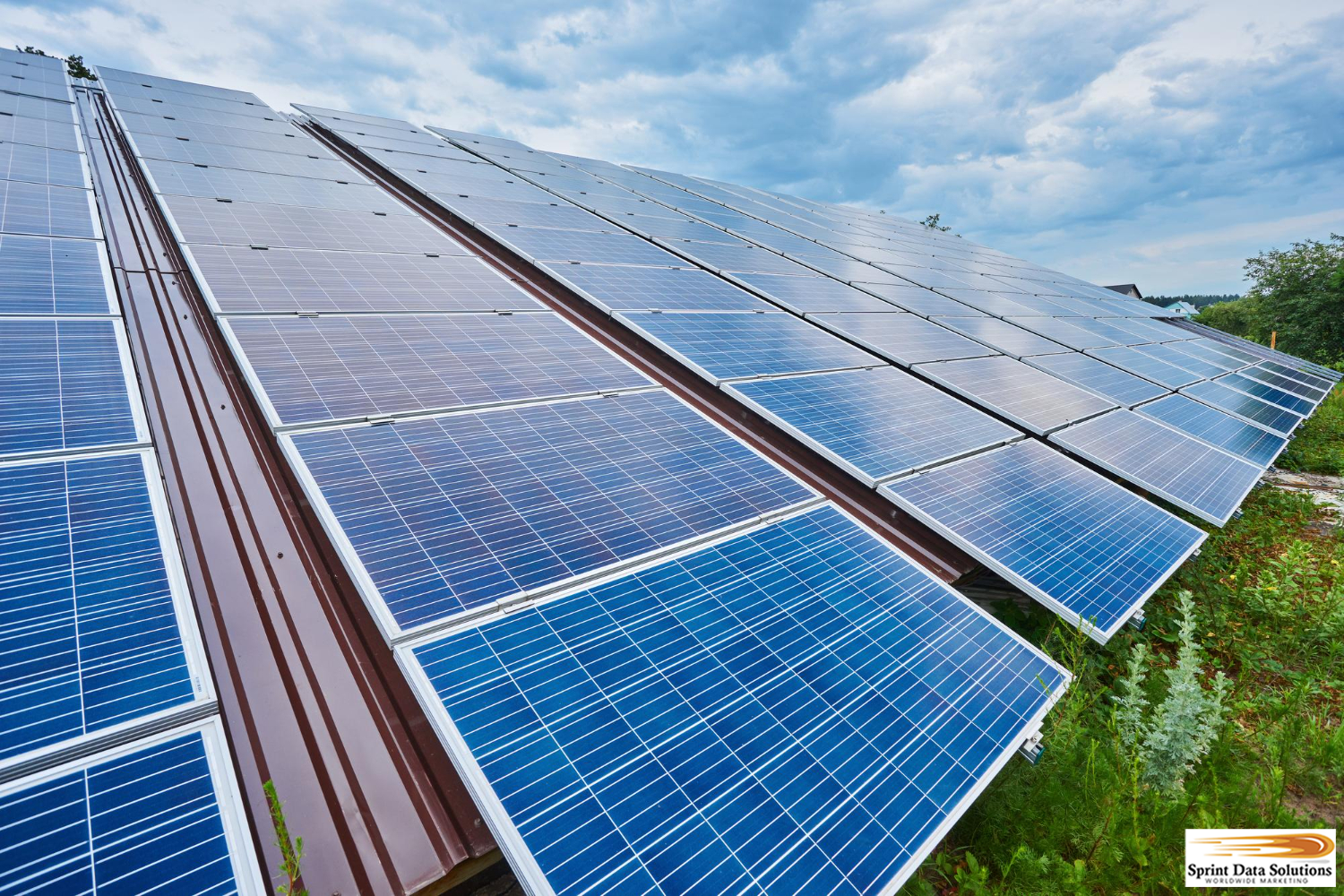
Solar power, as both a concept and a technology, is nothing new. The ability to generate small amounts of solar power has been with us for decades. Even as far back as the 1980s, less efficient solar cells were still up to the task of generating the small amounts of electrical energy required for smaller devices like calculators. Creating large quantities of electricity was possible but also very demanding. The first solar farms needed massive fields to lay out huge arrays of solar panels and even went to lengths such as installing motorized mirrors to reflect light at the panels. These fields were initially so large that they had to be placed in massive flat, open spaces, such as in the deserts of California, where early prototypes took place.
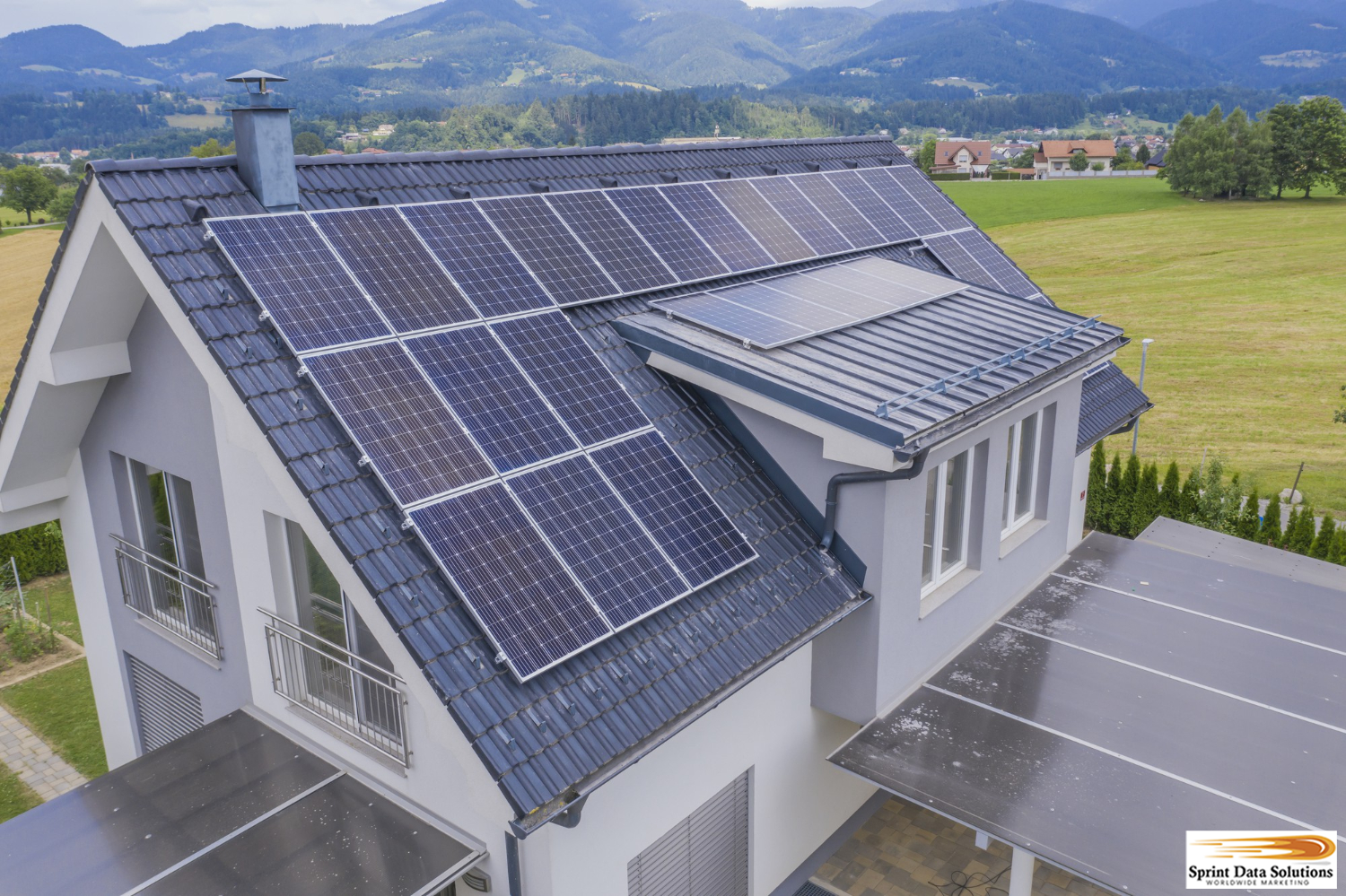
Today, however, the requirements for usable amounts of solar-generated electricity are no longer so demanding. Thanks to advances in solar cell construction, smaller panels can absorb sunlight and generate a much higher percentage of that photonic energy into usable electrical energy. For example, today’s solar panels can cover the roof of an average-sized home and generate enough electricity to power all of that home’s needs, as well as create a surplus that can be donated to the local electrical grid, granting the property either subsidies or even generating small income, depending on the arrangement the property owner has with the local power grid.
As a means of generating “free” electricity once installed, solar power has come a long way, and there is more interest in it for several reasons.
A Stable Alternative
One of the biggest draws of solar power over other forms of electrical generation is that, in many ways, it offers far more stability to the user. Some renewable/green systems, like wind, can sometimes be unreliable for the amount of usable power generated based on the there is enough wind to move turbines, which can make power generation inconsistent. Solar panels, however, are more sensitive in this regard, capable of generating power even on cloudy or rainy days, though not at peak performance.
However, another way in which solar power is far more reliable is the economic stability they provide. Properties that use solar energy can massively reduce their reliance on electricity from the traditional power grid or even be self-sustaining and donate their surplus electricity to the grid. In a world where resources such as oil or natural gas have their pricing dramatically affected by factors like war, tariffs, or sanctions imposed on other countries, or even just local companies reorganizing their pricing structure, properties using solar power have more financial stability. They are less at the mercy of price hikes and other changes based on outside factors. This has a lot of appeal for many homeowners and businesses, as eliminating any form of financial uncertainty is always welcome.
Lastly, of course, there is the independence factor. Even if there is a power outage on a traditional grid, a solar panel system is not reliant on that for power. A home or business can continue to operate and keep the lights, air conditioning, and computers on even when the rest of the area is now without power. This can be a huge boon, especially for lengthy power blackouts, and doesn’t require fuel the way alternatives such as portable power generators do to provide an auxiliary source of electricity. With solar power, a property owner always has total access to electrical energy, regardless of what the rest of the local power grid is experiencing.
It’s Not Just Homes
While solar panels have been installed on many private residences, it’s not just homes that benefit from the upgrade to a more stable, independent form of power generation. There is a lot to offer to businesses, which can have serious, long-term financial benefits once the investment has been made. Some of the companies that can see a boost from solar power are:
Manufacturing
Any business involved in manufacturing has two characteristics that immediately make it ideal for solar power benefits. Manufacturing floor space is considerable, which means that the building will have a lot of roofing, making this large, unused area perfect for installing many solar panels. The other characteristic, of course, is that manufacturing uses enormous amounts of electricity.
Installing solar panels on a large roof space seems like a significant investment at first, but the amount of power generated by these panels quickly turns into an ROI, as it significantly reduces just how much reliance manufacturing facilities have on the local power grid. The savings are immediate and can play a major role in stabilizing cost efficiency and finances, which is always crucial for the bottom line.
Livestock
Farming and agriculture remain important facets of American life and industry, and when it comes to livestock, reliable electric power can sometimes be crucial. Winter, for example, requires some facilities to house huge amounts of livestock in temperature-controlled environments, such as chickens. Heating can quickly become a major expense, but, as with manufacturing, solar power can provide significant cost reductions.
Larger livestock facilities will have indoor spaces similar to manufacturing with an otherwise spacious, unused roof. Solar panels installed in these unused spaces can be helpful in dramatically offsetting heating costs, especially where maintaining a consistent temperature, such as for eggs, is concerned. Major savings can quickly recoup expenses and provide a valuable return on investment for those to install solar power generation for their livestock business.
Commercial
It’s not just industrial-oriented businesses that can benefit. In many ways, plenty of other businesses, especially in the white-collar sector, such as technology and services, can also experience great savings from using solar power. For example, an office building relies heavily on electricity for day-to-day operations. Computers, photocopy machines, telephones, and other typical office paraphernalia may not have the heavy demands of industrial equipment such as manufacturing hardware but are a constant drain on electricity throughout the business day.
The more solar panels installed on a roof or the business grounds, the greater the reduction in energy costs. For businesses of a certain size and power draw, it may even be possible to remain entirely “off the grid” and have all power demands met by solar energy generation.
Retail
Retail businesses use a lot of electricity for various purposes, including keeping the lights on in the facility, security purposes, like surveillance cameras, or even anti-theft devices. This is especially true for larger property management ventures, such as shopping malls or big box retailers with their own buildings. The advantages here come from having large roof structures that go unused, aside from the usual function of protecting against the elements.
Installing solar panels on these roofs or other parts of the property that are not currently in use can dramatically offset power consumption. In some ways, it’s even more reliable because the power generated is consistent, and thus it provides a fixed cost in terms of savings. The scale of implementation can result in either a massive reduction in utility bills paid out to the power supply companies in the area or even complete energy self-sufficiency, adding more value to revenue by eliminating electrical usage as an operational expense. That kind of saving makes a huge difference to long-term financial performance and is one less inefficiency in the company that needs to be addressed.
Residential
Of course, one place where solar power generation has done much good is the private residential space. With the monthly utilities for electricity wildly varying from one part of a state to another and even varying depending on the kind of pricing structure an energy provider uses, there can sometimes be much uncertainty for homeowners with regard to how much their electricity bills will be, and how much of that charge is a necessity.
Solar power generation does away with residents needing to watch the clock to avoid higher “peak hour” usage rates. For night operation, it’s possible to install batteries that charge off the electricity produced by solar panels during the day, allowing for electrical usage at night and retaining significant or even complete energy independence from traditional power supplies.
Rural Residents
Solar power generation can be extremely useful for people in rural areas. In some cases, even with access to an electrical power grid from a utility company, in the event of a power outage, it can take a very long time for that power to be restored. Municipal locations tend to enjoy a faster response time than more outlying areas, especially when there can be more involved in tracing the exact location of a power outage.
Solar panel generation can reliably provide electricity or even offer complete energy independence, regardless of the power situation for the rest of the grid. For any home that’s in an area that has experienced power outages regularly due to storms, fires, or other periodically recurring environmental hazards, solar panels are one way to remain comfortable with power, even when the rest of the area is forced to do without.
And it’s here, in reaching out to these customers and businesses, that Sprint Data Solutions Worldwide Marketing can make a difference.
Who Is Sprint Data Solutions Worldwide Marketing?
Sprint Data Solutions Worldwide Marketing is an American-owned and operated business. The company began in the hometown of Las Vegas, Nevada, formed by a disabled veteran. The company’s pursuit of quality and customer service resulted in success and steady growth. Now, it proudly boasts a staff with a combined total experience of over 50 years in the marketing sector.
Sprint Data Solutions Worldwide Marketing initially focused on direct mail, which had the benefit of strengthening skillsets in database collection, management, and analytics. When digital marketing became viable, this skillset allowed the company to quickly integrate and offer digital marketing services, enjoying an early mover advantage that gave the business and its clients major yields.
The company’s success led to an expansion of its service range. From local marketing only in Nevada, the business offered nationwide coverage, eventually including Alaska and Hawaii. Then if accessed all continental markets, opening access to Canada and Mexico. Today clients can even cross the Atlantic and access European Union markets like France.

How We Can Help
Sprint Data Solutions Worldwide Marketing spent years building a massive collection of databases with contact information. We also have active alliances with reputable databases to expand the range of potential contacts significantly. The data collection happens completely through ethical and legal means, like opt-in programs for newsletters, creating new accounts on a website, subscribing to services, filling out surveys, and donating business cards for data usage. More importantly, the databases are treated as constantly evolving documents and don’t stay static. There is regular revisitation and rechecking of data to ensure that it is current and viable. For example, student databases must be updated as students graduate. Employees can resign from a firm and move to another company, and seniors can pass away. These changes must be noted and addressed to ensure that when clients get contact details, they are still relevant and not sending marketing materials to recipients who no longer exist or are present at that listed address.
However, access to a sizable database is not the complete formula for success. Sprint Data Solutions Worldwide Marketing uses artificial intelligence systems for data analytics, applying machine learning algorithms to organize data for more relevance. Instead of just supplying a random pool of names, addresses, and locational data, the databases are carefully filtered so that the contacts most relevant to client needs are used.
One component of this is the geographic requirements that clients may have. Contact details are capable of provision on a nationwide scale for the largest possible marketing campaign. However, ambitions can also be scoped down for better precision. It’s possible to focus on only a region, like targeting the New England area only. From there, things can be even more precise, locking down a single state, like Massachusetts, or a single town or city, or even just a particular neighborhood in a city, like marketing only to the residents of Beacon Hill, Boston.
The other component is the ability to categorize based on demographic characteristics. Metrics can be sorted by ethnicity if a product or service is better received by Latin Americans or faith-based affiliations, such as a marketing campaign with more of a focus on the Catholic community. Economic classifications are also available if a product or service is of more interest to high-net-worth individuals. Additional factors, such as age and diagnoses of a condition such as diabetes, can also be provided for even more precise targeting, resulting in higher engagement, interest, and response.
Database Formats & More
Sprint Data Solutions Worldwide Marketing can provide contact details in any format a marketing plan needs. Direct mail gets physical mailing addresses for general consumers or businesses. Digital marketing gets email addresses for both consumers and B2B usage, though, for B2B, the contact will usually be the relevant decision maker in a corporation. Marketing campaigns with a telemarketing bent will get phone numbers. Again, residential numbers are available, but for B2B needs, the name and phone numbers of the most relevant decision-maker are used. Cellular numbers are also available for other marketing strategies, like SMS/text messaging marketing.
There are also special services like turnkey direct mail solutions for companies interested in managing a direct mail campaign but lack experience. Clients get guidance and explanations of concept and design, printing and manufacturing, and distribution at every phase. With this turnkey solution, everything happens under one roof, eliminating the need to source and vet vendors for the many different stages of the process.
If you want to reach out to customers or clients with solar power or adjacent/related products and services, we can help. Contact Sprint Data Solutions Worldwide Marketing for the leads that can make a difference.